Which Resolution Is Best? 1080p vs 4K vs 8K for Video Production

Ever shot a video that looked crisp on your editing screen but pixelated on Instagram? You’re not alone. Choosing the right resolution i.e. 1080p, 4K or even 8K can make or break your video production workflow, especially for Indian creators juggling web uploads, broadcast deadlines and mobile audiences.

This guide breaks down each resolution’s strengths, file demands and real-world use cases. By the end, you’ll know exactly which to pick for Reels, YouTube or corporate films without wasting storage or render time.

What Resolution Really Means

Resolution measures the pixels packed into each video frame – width by height, like 1920×1080 for 1080p. Higher numbers mean sharper details, but they demand more from your camera, computer and internet.

Think of it like photo sizes: 1080p is a solid postcard print, 4K fills a billboard, and 8K? That museum wall is huge. The catch? Most viewers watch on phones where extra pixels vanish, so matching resolution to platform saves headaches.

For Indian producers, data costs and 4G limits make this choice practical. Overkill resolutions just mean longer exports and frustrated clients.

1080p: The Reliable Workhorse (Full HD)

1080p (1920×1080 pixels) remains the sweet spot for 80% of video work in 2025. It’s sharp enough for social media, vlogs and TV without crushing your hard drive.

Best for: YouTube, Instagram Reels, LinkedIn corporate videos and Indian broadcast (DD/ regional channels still cap at HD).

File size: A 1-minute clip is ~100-200MB. So easy to upload using any internet.

Editing ease: Runs smooth on mid-range laptops (i5 + 16GB RAM); no proxy files needed.

Downsides: Fast action (dance/sports) shows less detail than 4K when slowed down.

Pros use 1080p for quick-turnaround branded content because platforms auto-compress anyway. Exporting here future-proofs without overcommitting resources.

4K: The Professional Standard (UHD)

4K (3840×2160) quadruples 1080p’s pixels, delivering cinema level clarity that’s dominating YouTube and OTT in India (think Hotstar originals).

Best for: Product demos, interviews, events and anything needing crop/zoom in post. Slow-mo at 60fps shines here.

File size: That same 1-minute? 500MB-1GB. Plan for external SSDs.

Editing demands: Needs beefy rigs (RTX 3060+); use proxies for smooth playback.

India edge: Perfect for vertical Reels (export 4K, let IG downscale) and future 4K TVs in urban homes.

In 2026 trends, 4K rules short-form video, sharper thumbnails, better algorithm push. But skip it for talking heads; the jump from 1080p isn’t noticeable on mobiles.

8K: Niche Powerhouse (Future-Proof?)

8K (7680×4320) packs 33 million pixels per frame. Stunning for VR, massive screens or extreme slow-mo. Samsung’s pushing it, but it’s rare for everyday production.

Best for: High-end ads, automotive pours or fabric reveals (like our 120fps slow-mo tips).

File size: 1-minute = 2-5GB. Cloud storage essential.

Editing reality: Only top-tier workstations (RTX 4090, 64GB RAM) handle native timelines.

Practical limits: YouTube caps effective playback at 4K for most; 8K uploads take hours.

Head-to-Head Comparison

ResolutionPixelsBest Platforms           Storage (1 min)Editing EaseIndia Use CaseMotion Blur in Fast Action  
1080p2MYouTube, Reels, TV100-200MBEasy (mid PC)Vlogs, corporatesModerate  
4K8MOTT, YouTube Premium500MB-1GBMedium (proxies)Events, productsLow
8K33MVR/Ads, Big screens2-5GBHard (pro rigs)    Luxury slow-moNone  

                                                     ​

Pro tip: Shoot higher than final output (4K for 1080p delivery) for flexibility, but match project timeline to avoid crunch.

Platform-Specific Recommendations

Social Media (Reels/Shorts): 1080p vertical. Instagram compresses 4K harshly; save battery/data.

​YouTube: 4K for long-form.boosts watch time signals. 1080p fine for shorts.

Broadcast/TV: 1080p/50i (India PAL roots). 4K for premium like Netflix India.

Corporate/Ads: 4K base, downscale per need. Clients love “shot in 4K” bragging rights.

Mixing resolutions? Plan timeline FPS first (like our frame rate guide), then scale uniformly to dodge jittery edits.

Storage and Workflow Hacks

Higher res = exponential storage. A 10-min 4K shoot? 10GB raw.

Hacks:

Shoot LOG profiles, grade in 1080p proxy.

Use DaVinci Resolve’s optimized media.

External NVMe SSDs (2TB ~₹10k).

Cloud: Frame.io for India teams.

Bitrate matters too, H.265 (HEVC) halves 4K files vs H.264 without quality drop.

Common Myths Busted

Myth: Higher is always better. Nope, phone screens max at 2K effective. Match audience device.

Myth: 8K is future. By 2026, yes for Hollywood, but Indian creators prioritize speed over spec.

Myth: My phone does 4K, so… True, but lighting/ stabilization often ruins it. DSLRs win.

Final Production Checklist

  1. Audience first: Mobile? 1080p. Cinema? 4K.
  2. Test exports: Upload drafts to target platform.
  3. Budget check: Storage + render time = real costs.
  4. Downscale smart: 4K masters look premium anywhere.

Resolution isn’t “set it and forget” it’s your creative lever for polish and efficiency. Start with 1080p for most gigs, scale up as clients demand.

What’s your go-to? Drop in comments!

Social Media Ads vs Traditional Ads – What Works NOW?

India’s advertising world is buzzing with change as digital platforms explode and traditional media still holds steady ground. With over 900 million internet users and ad spends crossing ₹1 lakh crore, brands today must navigate between social media ads (Instagram, Facebook, YouTube) and classics like TV, radio, print and billboards. This blog breaks down their differences, strengths and how Indian businesses can pick or blend them for maximum impact in 2025.

The Rise of Social Media Advertising in India

Social media ads on platforms like Facebook, Instagram, YouTube and LinkedIn have become incredibly popular in India, especially in urban and Tier-1 cities. With more than 700 million smartphone users and one of the cheapest mobile data rates globally, Indians spend over five hours daily on digital devices, much of it on social and video platforms.

This creates a vibrant and cost-effective environment for digital advertising with precise targeting. Brands can tailor ads based on age, location, interests and behaviors, ensuring they reach high-intent users quickly and efficiently.

Social media ads offer:

Real-time performance metrics

High engagement through likes, comments, shares

Flexible budgets starting from a few hundred rupees

Fast testing and scaling for small businesses

The interactive nature, community content and influencer collaborations appeal strongly to younger Indian audiences.The Steady Relevance of Traditional Advertising

Traditional advertising—TV, radio, newspapers, magazines and outdoor billboards—still holds strong relevance, especially in Tier-2/3 cities and older demographics. TV continues to deliver massive reach during festivals, cricket seasons and major national events.

Traditional media brings trust, familiarity and a strong sensory experience, often needed for brand-building. Industries like luxury, heritage brands, real estate or FMCG still benefit greatly from this medium.

However, traditional advertising can be expensive, less targeted and slower to optimize due to long production cycles and limited tracking.

Key Differences and Choosing the Right Mix:

Hybrid Strategies Winning in India Today

Brands today blend both channels for maximum effectiveness:

Use TV to create buzz, then retarget audiences via Instagram and YouTube.

E-commerce companies pair print ads with performance-driven social ads.

Automobile and lifestyle brands combine radio with Instagram reels and influencer content.

Digital now holds 46% of India’s advertising spend, but traditional media still leads in mass reach.

In 2025, AI-enabled targeting and QR-integrated outdoor ads make hybrid models even stronger.Where Creative Splash Fits In – Adding the Power of Visual Storytelling:

To make both social and traditional ads truly effective, high-quality creative production and strong storytelling have become essential. This is where Creative Splash, a Pune-based animation and creative studio with 12+ years of experience, brings unmatched value.

Creative Splash has built a strong reputation through:

Expertise: A highly skilled and passionate team that creates deeply engaging and result-oriented content.

Experience: Over a decade of producing product videos, animation, commercials and visual assets for brands across India.

Authority: Known for delivering professional-grade visuals that improve brand recall, boost engagement and increase ad performance.

Trust: An award-winning creative studio, recognized for its short films like Waada and Chanda, showcasing their storytelling strength and creative excellence.

Creative Splash helps brands elevate their advertising through:

Product videos

Video marketing

Reels & social media content

Commercial ads

Photography & brand shoots

2D/3D animation & motion graphics

Explainer videos & product visualization

In a world where attention spans are shrinking, Creative Splash ensures your message stands out, feels premium and connects emotionally—whether you’re advertising on social media, TV or outdoor platforms.Tailor Your Approach for Success

Choose social media ads for fast results, measurable growth and metro-focused audiences.
Choose traditional advertising when building deep trust, mass visibility or reaching non-digital markets.

The winning model today is a balanced blend, often around 70% digital and 30% traditional, depending on your industry.

As India’s advertising landscape evolves, brands that combine data-driven strategy + high-quality creatives will see the strongest ROI.

If you’re ready to enhance visibility, conversions and the overall impact of your ads, partnering with agencies like ours—along with creative partners like Creative Splash—can help you achieve powerful results.

Ready to build a strong advertising strategy? Let’s talk.

Whether you’re exploring interactive video marketing, storytelling campaigns, or immersive product demos, Creative Splash Studio is here to help you lead the future of digital engagement.

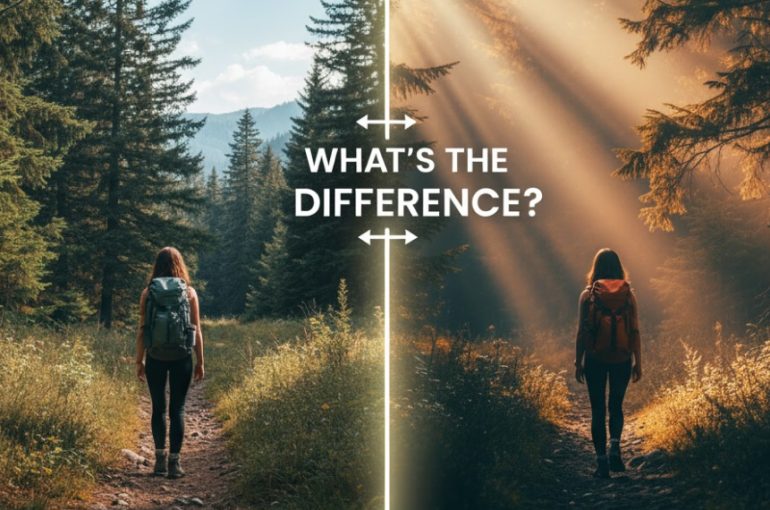
Color Grading vs Color Correction – What’s the Difference?

Color Grading vs Color Correction – What’s the Difference?

If you’re getting into video or photo editing, you’ve likely heard the terms color correction and color grading tossed around. While they sound similar, each serves a distinct purpose and knowing the difference can make your work stand out. Let’s break down what sets these techniques apart.

What is Color Correction?

Color correction is the technical first step in post-production. Its goal is to fix color problems so your footage looks natural and consistent, almost as the human eye would see it in real life. For example, adjusting the white balance to remove unwanted color tints, matching exposure across different shots or fixing a too-green skin tone so it appears realistic.

Typical color correction tasks include:

  1. Balancing white levels and exposure
  2. Adjusting saturation for natural colors
  3. Fixing irregular hues so scenes feel cohesive

This step gives you a clean “base” so the project looks accurate and professional before adding any artistic flair.

What is Color Grading?

 Color grading can:

  1. Tint shadows and highlights for drama
  2. Enhance specific colors for emotion (warmer skin tones, cooler backgrounds)
  3. Create a unique visual style that supports storytelling

Think of color grading like using Instagram filters, but with much more control and intention. From blockbuster films to YouTube vlogs, color grading helps your content stand out and express your creative intent.

Key Differences Summed Up

FeatureColor CorrectionColor Correction
PurposeFix technical issuesAdd artistic style and mood
FocusAccuracyEmotion & creativity
OrderFirstSecond

Quick analogy: Color correction is like leveling a cake and making sure it’s baked right.

Why Both Matter

Using both processes ensures your visuals look polished and impactful.

  • Color Correction : gives you technical accuracy
  • Color Grading : gives you Creative expression

Skipping either step can leave your work looking flat or jarring.

Quick Analogy

Color correction is like leveling a cake and making sure it’s baked right. Color grading is the icing and sprinkles. 

Bring Your Videos to Life with Creative Splash

Understanding color grading and color correction is just the first step. To truly make your videos stand outyou need expert execution.

At Creative Splash, we are Pune’s top animation and video production studio, crafting visually stunning content that tells your story and captivates your audience.

Get in Touch with Our Team → Whether it’s corporate videos, animated explainer videos, or cinematic content, we handle everything from concept to final polish, including precise color grading and correction

Call us today +91 8554982761 or visit our studio in Pune to discuss your next project — let’s turn your vision into a masterpiece.

“Your story deserves to look as good as it feels — we make it happen.”

5 Video Marketing Trends to Watch in 2025

The world of video marketing is evolving at lightning speed, and 2025 promises to be a game-changer for brands aiming to captivate audiences and boost conversions. Whether you’re running an emerging start up or a seasoned brand, these trends will help you build a dynamic video marketing strategy for the year ahead. Explore the strategies, drop a comment with your thoughts, and share which trend excites you the most.

1. Short-Form Video Content Dominates Social Media

In 2025, short-form video content is expected to capture an incredible 90% share of all internet traffic. Platforms like Instagram Reels and YouTubeShorts are leading the way, proving that audiences crave snackable, high-impact stories. With most people only having a few seconds to spare, keeping your videos concise and captivating is crucial for social media marketing.

Have you found short-form videos effective in your own browsing or business efforts? Let’s discuss in the comments!

2. AI-Powered Personalization is the Future of Video Marketing

Artificial intelligence is revolutionizing every aspect of video marketing, from instant video editing to data-driven content personalization. AI tools can analyze user preferences and serve tailored videos, helping brands boost engagement and conversions. More than 96% of marketers believe AI will be a critical part of video marketing soon.

Would you trust a robot to edit your brand’s next viral video?

AI Tools for Video Editing & Content Creation

AI is not just for personalization; it’s also a powerful tool for video editing. AI-powered software like Runway and Pictory can automate tasks like cutting clips, adding music, and generating subtitles, making the video creation process faster and more efficient. This allows creators to focus on the story rather than the technical details.

Looking to implement these cutting-edge strategies? As a leading animation and visual communication studio, Creative Splash is already an expert in leveraging AI and other technologies to create stunning, high-impact videos. Our team combines creative vision with data-driven insights to produce content that truly connects with your audience.

3. Interactive and Shoppable Videos Drive Conversions

Gone are the days of passive watching? Shoppable videos and interactive content now let viewers click, shop, and explore as they watch. Whether it’s product demos or “choose your own adventure” Instagram Stories, interactive video encourages participation and keeps viewers coming back for more.

Have you ever made a purchase directly from a video? Tell us about your experience.

4. The Rise of Influencer-Led & User-Generated Content (UGC)

With 70% of consumers following influencers, brands are teaming up more than ever for authentic, short-form collaborations. User-generated content (UGC) feels more trustworthy and approachable, sparking higher engagement and turning customers into passionate promoters. This trend highlights the power of social proof in a brand’s digital marketing strategy.

Which influencer or UGC campaign grabbed your attention recently?

5. Data Privacy and Ethical Marketing Build Trust

As data regulations tighten, consumers are expecting transparent and ethical marketing practices in video campaigns. In 2025, 80% of people are forecasted to favor brands with strong privacy practices. Building trust is essential, so keep your data handling honest, clear, and compliant.

How important is privacy to you when engaging with video ads online?

Ready to supercharge your video marketing? Try one of these trends in your next campaign, and then share your results or questions below.

Frequently Asked Questions (FAQs)

Why are short-form videos everywhere lately and do they actually work?

Absolutely yes. Short, punchy videos like those you see on Instagram Reels and YouTube Shorts grab attention in just seconds. People love quick tips, behind-the-scenes moments, and fun teasers. They are highly effective for brand engagement and reach. Have you found a short video on social media that made you stop scrolling? Those quick hits really stick with audiences today, making them a must for any video marketing strategy.

I’ve heard a lot about AI in video. Will it really make content better or does it just feel automated?

Great question. AI is making video marketing smarter: think personalized recommendations, auto-editing, and even custom voiceovers. The trick is using it to enhance creativity, not replace it. When done right, it feels surprisingly natural. Would you give AI tools a go for your next video project?

What’s so special about interactive or shoppable videos?

Interactive videos turn viewers into active participants. You can click for more info, take quick polls, or even buy a product right on the spot. It’s not just watching anymore—it’s shopping, learning, and playing all rolled into one. Have you tried clicking through a video to shop? It’s easier than ever.

Are influencer and customer-created videos really THAT valuable for brands?

Yes, they are. People trust real stories from influencers or everyday customers. These candid clips and honest reviews bring an authenticity that slick ads often miss. If you’ve ever bought something because someone you trust recommended it, you’ve experienced the power of user-generated content first-hand.

With the entire buzz about privacy, should I be worried about brands using my data in videos?

That’s a smart concern, and you’re not alone. In 2025, the best brands are upfront about how they use your data and are committed to earning your trust. It’s all about ethical marketing and transparent practices. So you can feel safe while enjoying personalized video experiences online.

Quick FAQs on Video Marketing Trends 2025

What is the biggest video marketing trend in 2025?

Short-form videos on platforms like Instagram Reels and YouTube Shorts dominate audience engagement.

How is AI changing video marketing?

AI automates editing and personalizes content, making video campaigns smarter and faster.

Are shoppable videos really effective?

Yes, they boost conversions by letting viewers buy products directly while watching.

Why is user-generated content important in 2025?

UGC builds trust and authenticity, driving higher engagement than traditional ads.

Does data privacy impact video marketing success?

Absolutely—brands with transparent and ethical practices win stronger customer trust.

Mid-2025 Animation Trends Update: How Are the Top 5 Trends Shaping the Industry So Far?

Back in January 2025, we shared our insights on the Top 5 Animation Trends Shaping 2025 and how these exciting developments would transform the animation world throughout the year. Now that we’re over halfway through the year, it’s time to take a fresh look, are these trends unfolding as expected? Let’s dive into what’s been happening and what animation professionals and fans can expect in the coming months.

1. Real-Time Rendering: Changing How We Create and Experience Animation

Real-time rendering was set to revolutionize animation by offering faster workflows and more immersive visuals. And it certainly hasn’t disappointed me! Studios like Disney and Pixar are increasingly using real-time rendering engines like Unreal Engine and Unity to craft rich, interactive environments that respond instantly to creative changes.

In gaming, we’re seeing even more lifelike characters and dynamic worlds thanks to this technology. Virtual events have also become visually stunning and interactive, with animated avatars making online meetings and concerts more engaging. Real-time rendering is truly accelerating animation production and transforming audience experiences across industries.

2. Artificial Intelligence: Your New Creative Partner in Animation

AI tools continue to make huge waves in animation. From automating tedious tasks like in-betweening and lip-syncing to optimizing animation quality, AI is freeing artists to focus on the creative side of storytelling. Many studios now use AI-powered software to speed up production without sacrificing quality.

Plus, AI-generated animations are becoming more personalized and adaptive, paving the way for unique storytelling experiences that evolve based on audience reactions.

Smaller studios and independent animators are also embracing AI, making high-quality animation production more accessible and affordable.

3. Sustainable Animation: Creating with the Planet in Mind

Sustainability in animation isn’t just a buzzword, it’s a growing movement in the industry. More studios are switching to renewable energy, cutting down on physical materials and adopting fully digital workflows to reduce their carbon footprint.

At the same time, animation is playing an important role in raising awareness about environmental issues. Films and series tackling climate change, conservation and sustainability themes are resonating with audiences worldwide. Industry groups like the Sustainable Animation Alliance are boosting these efforts by encouraging eco-friendly production practices across the board.

4. Evolving Animation Styles: Blending Tradition with Innovation

One of the most exciting things about animation today is how styles and techniques keep evolving. Hybrid animation styles that mix hand-drawn art with cutting-edge CGI are captivating viewers with unique, visually rich storytelling.

Experimental approaches continue to push artistic boundaries, supported by new tech like AI tools and 3D printing. And as the world becomes more connected, cultural exchange is inspiring animation that reflects diverse perspectives and artistic traditions, adding depth and authenticity to stories.

5. Immersive Storytelling with VR and AR: Animation Beyond the Screen

Virtual Reality (VR) and Augmented Reality (AR) are opening new doors for animators and audiences alike, creating fully immersive storytelling experiences that go beyond traditional screens.

While still growing, VR and AR animation projects are gaining traction in entertainment, education and even therapy. As VR/AR hardware becomes more accessible and content more engaging, these technologies are set to redefine how people experience animations, offering truly interactive and unforgettable adventures.

What’s Next for Animation in 2025?

Our mid-year check-in shows that the animation industry is riding strong on the back of these trends, with plenty of exciting innovations still to come. Whether you’re a professional animator, a studio leader or simply a fan of animated stories, staying on top of these trends will keep you ahead of the curve.

For a deeper dive into the origins of these trends, check out our full blog on the Top 5 Animation Trends Shaping 2025

We’d love to hear your thoughts—how have you seen these trends impact your work or favorite animations this year?

Drop a comment below and join the conversation!

Athavle Foods – Methi Thepla Animated Reel

Client OverviewAthavle Foods, based in Pune, Maharashtra, is a renowned Indian food manufacturer with a long-standing history dating back to 1946. They have earned a reputation for producing a diverse range of high-quality, authentic Indian food products, particularly specializing in Maharashtrian cuisine. Their offerings include a wide array of sweets like barfi and ladoo, savory snacks such as chips and chivda, and traditional dishes like wadi and poli. Athavle Foods prides itself on using quality ingredients and time-honored recipes to create delicious and wholesome food, making it a trusted and well-respected brand, especially within the Pune region. Their commitment to tradition and quality has solidified their position as a go-to source for those seeking genuine Indian flavors

Athavle’s Methi Thepla offers a healthy, travel-friendly, and convenient meal option, particularly popular for its ease of use. However, while it ticked all the boxes for a wholesome snack, Athavle Foods recognized the need to broaden its appeal, especially within the school tiffin market. The biggest hurdle they faced was market saturation. Numerous brands offered similar Methi Thepla products, making it difficult for Athavle to differentiate their version, even with its excellent taste and convenient packaging. Despite the quality of their product, cutting through the competitive landscape and capturing the attention of consumers, especially parents packing lunch for their children, proved to be a significant challenge

Challenge

Athavle Foods had a set of very clear objectives:

Make Methi Thepla more appealing to children and parents.

Address a common mealtime struggle – kids refusing leafy vegetables.

Create an engaging, relatable campaign that speaks to everyday experiences.

Grow organically to build a community, connect deeply, and achieve lasting success.Brainstorming & Strategy

During our initial discussions, we focused on:

The Pain Point:
Athavle’s Methi Thepla, despite its delicious taste and convenient packaging, struggled to stand out in a crowded market. Numerous competitors offered similar products, making differentiation a key challenge.

The Hook:
Many kids dislike methi bhaji, making it difficult for parents to ensure a nutritious diet. A relatable mother-daughter conversation that would instantly connect with parents.

The Visual Style:
A warm, illustrated animation that’s fun for kids and adults alike yet informative for parents.

The Organic Growth Strategy:
Since the goal was a natural reach, we focused on storytelling, shareability, and relatability rather than ad-driven exposure.

Animated Reel Concept:

A school-going girl refuses methi bhaji in her tiffin, leading her mother to introduce Methi Thepla as a tastier, more nutritious option. This simple, everyday scenario made the video highly relatable.

Voiceover, Illustration & Animation:

Playful visuals ensured kids enjoyed watching.

Expressive character animations made the story engaging.

Smooth transitions and motion graphics emphasized the product’s freshness and convenience.

Use of little girl’s Voice Over enhanced the overall impact of the reel

Organic Social Media Strategy:

No paid ads or boosts – 100% organic growth.

Designed for high shareability & saves to reach new audiences.

Relatable content encouraged parents to tag others, increasing virality.Results & Impact

Massive Reach & Engagement (Organic Only!)

  • ·       2.03 Lakh+ plays (165,160 initial, 38,624 replays)
  • ·       1,47,461 total reach (99.4% non-followers)
  • ·       8.5K+ likes | 3.1K shares | 510 saves | 18 comments
  • ·       Total Interactions: 12,130 | Profile Activity: 404
  • ·       Brand Growth: 404 new followers without paid promotions

Why This Worked?

Relatable & Emotionally Driven:

The core of the story—a child’s aversion to leafy greens and a parent’s desire to provide healthy food—is a universal experience. Parents instantly recognized their own mealtime battles in the girl’s refusal of methi bhaji. This relatability created an emotional connection, drawing viewers in and making them invested in the outcome. The reel didn’t just sell a product; it validated a common parenting struggle, making the solution (Methi Thepla) feel like a genuine help rather than a marketing ploy.

Visually Appealing:

The core of the story – a child’s aversion to leafy greens and a parent’s desire to provide healthy food – is a universal experience. Parents instantly recognized their own mealtime battles in the girl’s refusal of methi bhaji. This relatability created an emotional connection, drawing viewers in and making them invested in the outcome. The reel didn’t just sell a product; it validated a common parenting struggle, making the solution (Methi Thepla) feel like a genuine help rather than a marketing ploy.

Shareable & Tag-Worthy:

The relatable scenario and engaging visuals made the reel inherently shareable. Parents could easily tag other parents who face similar challenges, sparking conversations and expanding the reel’s reach organically. The simple, positive message also encouraged sharing – it wasn’t just an advertisement; it was a relatable parenting moment that could be shared with a touch of humor and understanding.

Zero Paid Promotion:

100% authentic audience reach. The absence of paid promotion contributed significantly to the reel’s authenticity. It didn’t feel like a forced advertisement, but rather a genuine piece of content that resonated with the target audience. This organic reach fostered trust and credibility, as the reel’s success was driven by genuine engagement and word-of-mouth sharing. This authentic connection with the audience is far more valuable in the long run than any short-term boost from paid advertising. It laid the foundation for a strong, sustainable brand presence built on genuine connection rather than purchased attention.

Final Thoughts

This campaign served as a powerful testament to the impact of organic, creative storytelling. By focusing on relatable narratives and engaging visuals, we achieved significant results without investing in paid advertising. The campaign generated substantial engagement, including likes, comments, and shares, demonstrating a genuine connection with our target audience. This organic engagement translated into increased brand visibility, expanding our reach and introducing Athavle’s Methi Thepla to a wider audience. Most importantly, the campaign sparked real customer interest, driving inquiries, website visits, and ultimately, sales. This success underscores the value of investing in high-quality, authentic content that resonates with consumers on an emotional level, proving that organic reach can be a highly effective strategy for building brand awareness and driving business growth. It highlights the power of understanding your audience, crafting compelling stories, and letting the content speak for itself.

Want a powerful, high-impact video for your brand? Creative Splash can bring your story to life! Get in touch with us today..!

Instagram Reels & YouTube Shorts Trends for Businesses in 2025

Let’s be honest, attention is hard to get these days.

Everyone’s scrolling fast, skipping quicker, and remembering… almost nothing.

That’s why short-form content like Instagram Reels and YouTube Shorts has become a non-negotiable part of brand communication. And not just for influencers or lifestyle creators. We’re talking startups, tech companies, wellness brands, even B2B. Everyone’s in the game now.

After working on explainer videos and brand content for years, here’s what we’re seeing work right now—and where the opportunities are for businesses like yours.

1. Quick Explainers = Big Wins

We used to say you had 8 seconds to grab attention. Now it feels like 3.

That’s why micro-explainers, those 30–60 second videos. They are exploding on social platforms. For startups, especially, it answers the golden question:

“What type of explainer video is best for startups?”
The kind that gets straight to the point.

You don’t need a 3-minute breakdown. You need 40 seconds that say:

  • Here’s the problem.
  • Here’s how we fix it.
  • Here’s how to try it.

Image idea: A simple frame showing this 3-step structure in action, over animated UI or a brand mascot.

2. Animation Is (Still) Winning, Especially for Tech

We get this question a lot: “Should I choose animation or live-action for my explainer video?”

And honestly, there’s no one-size-fits-all. But here’s what we’ve learned working with tech brands, wellness startups, and SaaS founders:

Go animated when your product is digital, abstract, or hard to visualize.
Use live-action when you’re selling human connection or physical experiences.

Animated explainer videos are easier to repurpose, feel more brand-driven, and (bonus!) you don’t need a shoot day. That flexibility is gold for startups moving fast.

3. Looping Content > Traditional Storytelling

The smartest Reels and Shorts are built to loop. No intro, no outro—just a fluid piece that pulls you in and invites repeat viewing.

This works especially well for:

1.UI walk-throughs

2.Concept visuals

3.Animated product teases

4.Before/after breakdowns

That little moment of “Wait, I want to watch that again” is where brand recall happens

4. Smart Formats That Perform on Social

You don’t need a wild idea. You just need a format that feels native to the platform.

Here are some creative explainer video ideas for social media that have worked really well for our clients:

1.“Before & After” problems (especially relatable for services or B2B)

2.Quick Myth vs Fact reels (great for health, tech, or finance)

3.Animated character stories (personalized brand intros)

3 Tips or 1-Minute Guides (instant value = saved or shared)

The trick is knowing the platform’s energy and matching your story to that pace.

Real Example: KPRA Foods – Upwas Misal Reel

KPRA Foods came to us with a simple ask: they had launched a new product called Upwas Misal—a ready-to-make dish for fasting days. but it wasn’t getting the traction they hoped for.

We suggested a short, animated explainer reel under 30 seconds, designed specifically for Instagram Reels and YouTube Shorts. No voiceover. Just clean visuals, quick messaging, and mouth-watering shots of the dish being served.

The result?

1.Over 125K views

2.Higher product recall

3.Increased visibility and shelf pull

All from one scroll-stopping, platform-native animation.

5. Picking the Right Video Partner

We know how tricky this is. You Google “explainer video company” and… chaos.

If you’re wondering,
“How to select an explainer video production company, here’s a shortcut:

1.Look for a team that knows how short-form content behaves on Instagram and YouTube

2.They should understand how to build explainer videos that don’t just look good but move right

3.Bonus if they can guide you on format, distribution, and tone

At Creative Splash, we’ve done everything from wellness brand storytelling to UI walkthroughs for tech, always keeping platform behavior and user attention in mind.

Need help crafting your next scroll-stopper? Let’s connect.

The Rise of Experimental Animation: Breaking Traditional Boundaries

Introduction

Animation has come a long way — from the hand-drawn magic of early Disney classics to today’s hyper-real CGI spectacles. But a new creative wave is emerging, and it’s challenging everything we thought we knew about animation. Say hello to experimental animation — where imagination runs wild and boundaries are meant to be broken.

So, what is experimental animation, and why is it reshaping the creative landscape? In this blog, we’ll explore how unconventional animation is disrupting the industry, dive into new types of animation styles, and reveal how these modern animation techniques are pushing storytelling into uncharted territory.

Whether you’re curious about creative animation ideas for YouTube, searching for modern alternatives to traditional animation, or ready to experiment yourself, this guide is your starting point.

What Is Experimental Animation?

Experimental animation is defined not by its tools, but by its mindset. It defies convention, prioritizes emotion over narrative, and explores motion as art — not just entertainment.

Unlike traditional animation, which follows a script and structure, experimental works are often abstract, non-linear, and emotionally driven. They invite interpretation, question form, and reject the idea that animation must follow a beginning, middle, and end.

A Quick History

The roots of this bold art form go back to the 1920s. Pioneers like Oskar Fischinger and Len Lye created abstract, music-synced animations. Norman McLaren scratched designs directly onto film, while Jan Švankmajer introduced eerie surrealism through stop motion.

Today, with creative software and platforms like YouTube and Vimeo, experimental animators are thriving — unfiltered and unrestrained.

Why Experimental Animation Is Thriving Today

So why is experimental animation gaining traction now?

Fresh Storytelling

Audiences want more than predictable plots — they want experiences. Experimental animation delivers visuals that evoke curiosity, awe, and emotional intensity. This marks a major shift in the evolution of animation storytelling.

Creative Independence

Independent artists aren’t tied to studio expectations. They can explore personal, political, or abstract themes without compromise — turning animation into a raw form of self-expression.

Accessible Platforms

Platforms like Behance, TikTok, and Instagram have made unconventional animation styles more visible than ever. These bite-sized, visually striking animations are perfect for capturing attention in a scroll-heavy world.

Types of Experimental Animation Styles

Let’s break down some of the most exciting types of animation styles dominating the experimental scene today.

Stop Motion with a Twist

Forget clay. Think sand, broken glass, leaves, or even discarded electronics. These tactile materials bring gritty texture and an organic feel to every frame.

Rotoscoping Reimagined

Once used to trace real-life motion, rotoscoping now gets twisted — morphing human movements into surreal visuals that bend time and space.

Generative & Code-Based Animation

Using tools like TouchDesigner and Processing, animators write code that responds to audio, data, or user interaction — resulting in ever-evolving digital art.

Abstract Motion Design

No story. No characters. Just emotion, rhythm, and pure movement — crafted with shape, color, and sound to create hypnotic visual poetry.

Mixed Media Experiments

Picture hand-drawn textures layered over 3D models, combined with AI-generated elements and live footage. The result? A sensory explosion that defies categorization.

These modern animation techniques unlock limitless creative potential and deliver visuals that surprise, challenge, and inspire.

How Experimental Animation Is Shaping the Industry

This isn’t just a creative trend — it’s an industry shift.

Short Films & Festivals

Animation festivals like AnnecyOttawa, and Animafest Zagreb now highlight experimental work as a category of its own. It’s where fresh voices debut and bold ideas thrive.

Music & Visual Albums

Experimental animation is the go-to style for musicians who want to break visual norms. Artists like Flying LotusRadiohead, and FKA Twigs use it to elevate their sound with mesmerizing visuals.

Ads with an Edge

Brands looking to stand out are ditching glossy perfection for gritty, eye-catching unconventional animation that captures emotion and authenticity.

Social Media & YouTube

Scroll-stopping animation is everywhere — from micro-loops on TikTok to short films on YouTube. Creators are building cult followings through animated experiments that break format and genre.

Beyond 2D and 3D: New Animation Frontiers

Today’s artists are pushing beyond the boundaries of traditional 2D and 3D animation — into virtual, generative, and immersive experiences.

Virtual & Augmented Reality (VR/AR)

Imagine stepping inside an animation. With VR, you don’t just watch — you experience. AR overlays animations onto the real world, creating interactive storytelling like never before.

AI-Assisted Animation

Tools like Runway ML and Kaiber are revolutionizing workflows. Creators can now generate animations from text prompts, manipulate footage with AI, and blend styles with stunning speed.

Projection Mapping

Experimental artists project animations onto buildings, sculptures, and other physical surfaces — turning public spaces into immersive storytelling canvases.

This is the future of animation: beyond flat screens, beyond formats — into spaces where animation styles beyond 2D and 3D fully come alive.

Best Examples of Experimental Animation to Explore

Want to dive deeper? Here are some iconic works and creators redefining what animation can be:

 Dimensions of Dialogue ”
by Jan Švankmajer – a disturbing yet brilliant stop-motion classic.

 World of Tomorrow ”
by Don Hertzfeldt – minimal design, maximum emotion.

 Ugly”
by Nikita Diakur – chaotic, rule-breaking 3D absurdity.

The External World ”
by David OReilly – part satire, part nightmare, all genius.

Online creators like Eliott ErecksonKris Merc, and Andymation also post stunning experimental work regularly. Their bold ideas offer some of the best examples of experimental animation today.

How to Create Your Own Experimental Animation

Ready to make your own mark? Here’s how to get started.

Tools for Creators

  • Procreate – draw frame-by-frame on your iPad.
  • Blender – powerful and free for 3D and experimental work.
  • RoughAnimator – perfect for raw hand-drawn animations.
  • TouchDesigner – for generative visuals and live interaction.
  • Runway ML – AI-enhanced creativity at your fingertips.

Creative Jumpstarts

  • Animate using only circles and squares — no characters.
  • Use ambient sounds or spoken words to shape motion.
  • Combine found objects, paper, and digital textures.
  • Animate a memory, but distort the details.

Pro Tips

  • Focus on emotion, not perfection.
  • Play with timing — make pauses as powerful as action.
  • Let mistakes guide the process — they often lead to breakthroughs.

If you’re wondering how to create an experimental animation, start here, and let your curiosity lead the way.

The Future Is Experimental

We’re at a turning point. The tools have changed, but more importantly, the mindset has changed.

Animation is no longer about following rules — it’s about creating your own. As AI, VR, AR, and new platforms evolve, so do the ways we tell stories. And experimental animation is leading that evolution.

It’s bold. It’s emotional. It’s you, unfiltered.

Conclusion: Break the Mold. Animate Differently.

If traditional animation feels too clean, too expected, or too polished, it’s time to break the mold. Experimental animation offers the freedom to explore, express, and invent — no permission needed.

At Creative Splash, we celebrate brave ideas. We build animations that go beyond trends — telling stories through raw texture, surreal visuals, and motion that moves people.

Let’s Animate the Unthinkable

Got an idea that doesn’t fit the norm? We’re here for it.
Get in touch with Creative Splash — let’s turn your boldest vision into a visual experience the world has never seen.

Why Quality VFX Can Make or Break Your Advertising Campaign

In today’s fast-paced digital landscape, visual storytelling has become a cornerstone of effective advertising. Among the many tools available to marketers, Visual Effects (VFX) stand out as a game-changer. High-quality VFX can elevate your brand, creating memorable campaigns that resonate with audiences. However, poorly executed VFX can undermine your message and damage your reputation. Here’s why investing in quality VFX is crucial for a successful advertising campaign.

1. Capturing Audience Attention

With so much content vying for attention, the first impression is everything. Quality VFX creates stunning visuals that captivate viewers within seconds. Whether it’s a breath-taking transition, a realistic CGI character, or a visually compelling story, VFX ensures your ad stands out.

see our work

2. Enhancing Brand Storytelling

Great VFX allows you to tell stories that might otherwise be impossible to convey. Whether you’re building a fantasy world, visualizing complex processes, or creating emotional depth, VFX bridges the gap between imagination and reality. It brings your brand story to life in ways that resonate deeply with your audience.

see our work

3. Building Trust and Credibility

When done well, VFX showcases your brand’s commitment to quality and innovation. It conveys professionalism and attention to detail, which builds trust with your audience. On the other hand, poorly executed effects can look cheap, distracting viewers and damaging your brand’s credibility.

4. Improving Engagement Across Platforms

VFX-rich ads are more likely to go viral, especially on social media platforms like Instagram, YouTube, and Facebook. Stunning visuals grab attention, drive engagement, and encourage shares, significantly amplifying your campaign’s reach.

5. Maximizing Cost-Effectiveness

While high-quality VFX may require a larger initial investment, it saves costs in the long run. Polished visuals reduce the need for rework or additional campaigns, and assets can often be repurposed across different platforms. Plus, impactful VFX enhances ROI by delivering a lasting impression.

6. Versatility for Multiple Industries

From automotive to retail, healthcare to real estate, VFX is transforming how industries communicate. It simplifies complex concepts, enhances product presentations, and elevates customer experiences. No matter the industry, VFX offers a versatile tool for engaging your audience.

How Creative Splash Can Help

At Creative Splash, we specialize in creating high-quality VFX that enhances your advertising campaigns. Whether you need cinematic effects for TV commercials, eye-catching transitions for digital ads, or immersive experiences for VR/AR projects, our team has you covered. Based in Pune, we deliver end-to-end visual communication solutions, including animation, VFX, and explainer videos, to ensure your campaign leaves a lasting impact.

In the competitive world of advertising, quality VFX isn’t just an option—it’s a necessity. It elevates your campaigns, engages audiences, and builds a stronger connection with your brand. Don’t let poor visuals hold your brand back. Partner with experts like Creative Splash to bring your vision to life and create campaigns that truly stand out.

Ready to elevate your brand with stunning VFX? Contact Creative Splash today! Let’s create something extraordinary.

Blurring Boundaries: How Blender Bridges the Gap between Reality and 3D Animation

In the realm of visual storytelling, the line between reality and animation has become increasingly blurred, thanks to advancements in software like Blender. Blender, an open-source 3D creation suite, has revolutionized the way artists and filmmakers bring their ideas to life by offering powerful tools that enable them to create stunningly realistic renderings. From lifelike character animations to intricately detailed environments, Blender has become a go-to platform for artists seeking to bridge the gap between the virtual and the real.

Realism through Rendering:
https://www.creativesplash.co.in/wp-content/uploads/2024/05/whatsapp-video.mp4
One of the key factors in achieving realism in 3D animation is the rendering process, where scenes are transformed from wireframe models into photorealistic images. Blender’s advanced rendering engine, Cycles, utilizes ray tracing and global illumination techniques to simulate the behaviour of light accurately. This result in realistic lighting, shadows, reflections, and refractions that mimic the way light interacts with objects in the real world. Additionally, Blender’s recent integration of real-time rendering engines like Eave allows artists to preview their scenes with near-instant feedback, speeding up the iteration process and enhancing the overall realism of the final product.

Texturing and Materials:
Another crucial aspect of achieving realism in 3D animation is the creation of lifelike textures and materials. Blender offers a wide range of tools and shaders that enable artists to replicate various surface properties, such as roughness, specular reflection, and subsurface scattering. By meticulously crafting textures and materials, artists can imbue their 3D models with depth and detail, making them indistinguishable from their real-world counterparts. Moreover, Blender’s node-based material editor provides unprecedented flexibility and control, allowing artists to experiment with different effects and textures until they achieve the desired level of realism.

Character Animation:
Creating believable character animations is essential for immersing audiences in the story and evoking emotional responses. Blender’s robust animation tools empower artists to breathe life into their characters through realistic movements, expressions, and gestures. With features like inverse kinematics (IK), shape keys, and rigging systems, Blender allows artists to create complex character rigs that accurately simulate the dynamics of human anatomy. Furthermore, Blender’s integration with motion capture technologies enables artists to capture real-world movements and apply them to their 3D characters, further enhancing the realism of the animation.

Integration of Real-World Elements:
Incorporating real-world elements into 3D animations can add a layer of authenticity and immersion to the final product. Blender’s support for image and video compositing allows artists to seamlessly integrate live-action footage with computer-generated imagery (CGI), creating a cohesive visual experience. Whether it’s placing 3D characters into live-action environments or overlaying CGI effects onto real-world footage, Blender provides the tools and flexibility needed to achieve seamless integration between the virtual and the real.

Blender has emerged as a powerful tool for artists and filmmakers seeking to push the boundaries of realism in 3D animation. Through advanced rendering techniques, lifelike texturing and materials, believable character animations, and seamless integration of real-world elements, Blender enables artists to create immersive and captivating visual experiences that blur the line between reality and animation. As Blender continues to evolve and innovate, it promises to further bridge the gap between the virtual and the real, unlocking new possibilities for creative expression and storytelling in the digital age.