


In 2025 the animation industry is poised for continued growth, fueled by groundbreaking technologies and a globalized creative landscape. There has been a significant increase in demand for animated content due to the impressive rise of streaming platforms. For animation professionals, staying abreast of the latest trends is crucial for maintaining competitiveness and identifying new opportunities. This article explores the top 5 animation trends shaping the industry in 2025.
1. The Rise of Real-time Rendering
Real-time rendering is revolutionizing film, television, and gaming. The technology has facilitated animators with unparalleled flexibility and speed by rendering visuals instantaneously.
Real-time rendering can be achieved with tools like Unreal Engine, Unity, KeyShot and VRED. It renders only the current frame, reducing resource usage, ensuring efficiency. This technique ensures that every frame is rendered with exact details, enhancing visual fidelity and immersion while enabling dynamic, responsive and high performance experiences across various platforms.
- Film and TV:
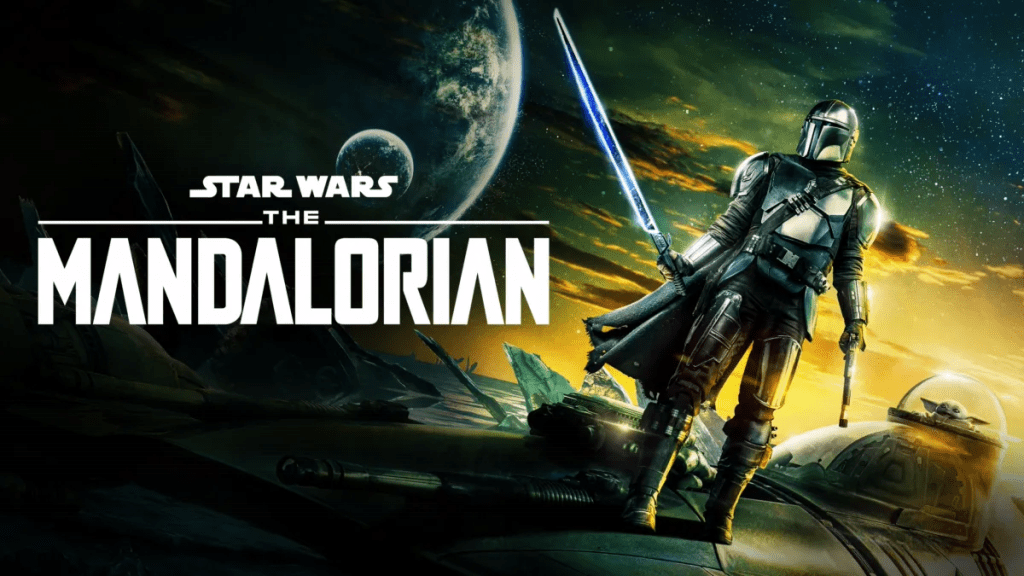
Real-time rendering allows for faster repetition in film and television, therefore allowing producers to more dynamically experiment with lighting, camera angles, and character performances. This means more realistic, detailed characters and surroundings, therefore extending the frontiers of visual narrative. Companies such as Disney and Pixar are already using real-time rendering in their projects.
The Mandalorian made extensive use of real time technology via “The Volume”, a massive LED screen powered by Unreal Engine, to create immersive, dynamic environments.
- Video Games:
In the gaming world, real-time rendering enhances player immersion. Games can now boast more lifelike character movements, intricate interactions, and dynamic environments, creating truly immersive gameplay experiences. Titles like Fortnite and Minecraft have already leveraged real-time animation to great effect. Real time rendering is especially effective for games, with branching storylines and dynamic interactions, where pre-rendering every possibility would not be practical. By focusing on what’s immediately visible, real-time rendering keeps games lightweight without compromising quality.
- Virtual Events:
Beyond entertainment, real-time rendering is transforming virtual events. Events can be fully virtual or hybrid with live interaction. These features together with striking graphics now make concerts, seminars, and other events more interesting and unforgettable for attendees. Hosts or attendees can also use animated avatars powered by real time rendering to enhance engagement. Moreover, compared to in-person events, virtual events have cost-effectiveness and accessibility advantages.
The most advantageous aspect of real time rendering is that you receive immediate feedback- meaning that any changes to lighting, textures, or animations are instantly visible. As these changes are instantly visible, it makes creative workflows faster and more intuitive, assisting artists to see the results as they work.
As hardware and algorithms advance, real-time rendering will achieve even higher fidelity, rivaling offline rendering while maintaining interactivity and speed. This will expand its applications further into new domains, such as AI-driven content creation and metaverse development.
2. The Impact of Artificial Intelligence(AI)
Artificial intelligence (AI) is poised to significantly impact the animation landscape. AI assists with tasks like generating graphics, automating repetitive works, or enhancing creative processes. It also helps with creating lifelike animations, adjust designs, or suggest improvements by learning from patterns and trends.
AI will boost creativity, efficiency, and realism in animation by automating tasks like in-betweening, lip syncing and background creation. This allows for animators to focus on more creative aspects, while speeding up production and enhancing the overall quality of animations.
- AI-Generated Animation:
AI is increasingly capable of generating unique animations, from intricate character designs to breathtaking landscapes. This technology can automate repetitive tasks, freeing up artists to focus on more creative aspects of their work.AI also has the power to generate real-time stories, allowing animations to evolve based on audience interactions or preferences. AI can create entire characters, from their design, look and feel, and their movements to their voice overs, and so much more, all based on user input or pre-existing models. Scenes can also be generated, matching the character’s visual and artstyle- all based on user prompts. Artificial Intelligence has the power to combine environments, characters, voices, elements and more- and produce a very streamlined and immersive animation experience.
- Animation Optimization:
Machine learning algorithms can optimize animation production workflows, improving efficiency and reducing costs. These algorithms can analyze vast datasets to identify patterns and predict outcomes, streamlining processes like character rigging and motion capture. Inconsistencies, errors, or unwanted patterns in animations (like unnatural movements or visual glitches) can also be identified by Artificial Intelligence, while receiving feedback as well. This ensures a smoother and more polished final final product with less time spent on quality checks. Additionally, user feedback can be analyzed and animations can be optimized, such as adjusting the pacing, character movements, or visuals to enhance engagement, which can be particularly useful for interactive or personalized content.
- AI-Assisted Animation Tools:
A new generation of AI-powered animation tools is emerging, empowering artists with unprecedented capabilities. These tools provide real-time feedback, suggest creative solutions, and automate tedious tasks, enhancing both productivity and creativity. By automating repetitive tasks like in-betweening, rigging, and lip syncing, AI will significantly reduce production times. These tools will also improve the quality of animation by refining motion capture data, and enhancing natural movements, resulting in smoother, more realistic animations.
Artificial Intelligence(AI) has, and will revolutionize the animation industry by enhancing creativity, improving efficiency, and optimizing production workflows. Ai’s ability to automate tasks will allow artists to focus more on creativity, while also making changes quickly, which paves way for trial and error, leading to so many new and fresh concepts and ideas. The integration of AI tools will also significantly reduce production times, allowing artists to complete work faster, maintaining high quality. This would also make animation more accessible to independent creators and smaller studios.
3. Sustainable Animation Practices
The animation industry is experiencing a significant shift towards sustainability, driven by a growing awareness of environmental concerns and a desire to minimize its ecological footprint. This movement is evident in a variety of ways, from eco-friendly production practices to the emergence of powerful environmental storytelling.
- Eco-Friendly Production:
Studios are actively seeking innovative ways to reduce their environmental impact. The transition to renewable energy sources is a key focus, with many studios investing in solar and wind power to offset their energy consumption. Digital workflows have revolutionized the animation process, minimizing the need for physical materials and reducing waste significantly. Paperless offices, cloud-based storage, and digital asset management systems are becoming increasingly commonplace. Furthermore, studios are exploring the use of sustainable materials whenever possible, from recycled paper and eco-friendly packaging to the sourcing of locally produced and sustainably harvested materials.
- Environmental Storytelling:
Animation has emerged as a powerful medium for conveying environmental messages and inspiring action. Animated films and television shows are increasingly tackling critical environmental issues, from climate change and pollution to deforestation and biodiversity loss. These stories often feature compelling characters and engaging narratives that resonate with audiences of all ages.
A. Films like “WALL-E” and “The Lorax”
serve as powerful examples of this trend, effectively conveying the consequences of environmental neglect and inspiring viewers to embrace sustainable practices.
B. Animated documentaries
are also gaining traction, offering a unique and engaging way to explore complex environmental issues and raise awareness about conservation efforts.
C. Educational animations
are being utilized to educate children about environmental responsibility and inspire them to become environmental stewards.
- Industry Initiatives:
The growing emphasis on sustainability is fostering a collaborative spirit within the animation industry. Industry-wide initiatives are emerging to promote eco-friendly production methods and encourage the adoption of sustainable practices throughout the value chain.
Organizations like the Sustainable Animation Alliance play a crucial role in providing resources and support to studios, offering guidance on sustainable production techniques, facilitating knowledge sharing, and promoting best practices.
Industry events and conferences often feature discussions and workshops on sustainability, bringing together industry professionals to share ideas and explore innovative solutions.
Certifications and awards are being established to recognize studios and projects that demonstrate a strong commitment to sustainability, incentivizing the adoption of eco-friendly practices.
The animation industry is at a pivotal moment, embracing its responsibility to minimize its environmental impact and utilize its unique storytelling power to inspire positive change. By embracing sustainable practices and leveraging the power of animation to raise awareness and inspire action, the industry can play a significant role in creating a more sustainable future for generations to come.
4. The Evolution of Animation Styles and Techniques
The animation landscape is a dynamic and ever-evolving realm, characterized by a vibrant exploration of new styles and techniques that constantly push the boundaries of artistic expression.
- Experimental Animation – Experimental Animation:
It is at the forefront of this evolution, driven by a relentless pursuit of innovation. Animators are embracing cutting-edge technologies and exploring uncharted territories, utilizing 3D printing to create intricate and unique forms, delving into the vast potential of emerging software, and even harnessing the power of AI-assisted tools to generate novel visual effects and animate with unprecedented fluidity. This experimental spirit fosters a culture of artistic exploration, encouraging animators to break free from conventional constraints and embrace the unexpected.
- Hybrid Animation Styles – Hybrid Animation Styles
These are gaining significant ground, offering a captivating blend of traditional techniques and the limitless possibilities of computer-generated imagery (CGI). This synergistic approach allows animators to seamlessly integrate hand-drawn elements with the precision and dynamism of CGI, resulting in a mesmerizing visual tapestry that transcends the limitations of either medium alone. This hybrid approach not only enriches the visual spectrum of animation but also expands the narrative possibilities, allowing for more nuanced and emotionally resonant storytelling experiences.
- Cultural Exchange – Cultural Exchange:
It plays a pivotal role in shaping the ever-evolving landscape of animation. With the increasing interconnectedness of our globalized world, animators are drawing inspiration from a diverse tapestry of cultures and traditions, enriching their work with a global perspective. This cross-cultural pollination fosters a deeper understanding and appreciation of different artistic expressions, leading to animations that resonate with audiences worldwide. Films like “Spirited Away” and “The Lion King” serve as powerful testaments to the transformative power of cultural exchange, demonstrating how the infusion of diverse cultural influences can elevate animation to new heights of artistic expression and cultural significance.
In conclusion, the animation landscape is a dynamic and ever-evolving ecosystem, characterized by a spirit of innovation, a fusion of traditional and digital techniques, and a vibrant exchange of ideas across cultures. This ongoing evolution ensures that animation remains a captivating and ever-relevant art form, continually pushing creative boundaries and captivating audiences with its unique blend of artistry, technology, and cultural expression.
5. Immersive Storytelling with VR and AR
Virtual Reality (VR) and Augmented Reality (AR) are revolutionizing the landscape of animation, ushering in a new era of immersive storytelling experiences. These cutting-edge technologies transcend the traditional confines of the screen, offering audiences unprecedented opportunities to engage with animated worlds in profound and transformative ways.
- Immersive Distribution and Exhibition- Immersive Distribution and Exhibition:
These are becoming increasingly prominent, with VR and AR technologies providing innovative avenues for experiencing animation. Audiences can now step beyond the passive role of spectator and become active participants, immersing themselves within the very fabric of animated narratives. VR experiences allow viewers to explore fantastical landscapes, interact with animated characters in real-time, and experience stories from multiple perspectives, creating a truly personalized and unforgettable journey.
- Future Possibilities:
The potential of VR and AR in the realm of animation extends far beyond entertainment. These technologies have the power to revolutionize education, training, and even therapeutic interventions. Imagine students learning complex scientific concepts by virtually dissecting animated cellular structures or medical professionals practicing surgical procedures on realistic VR simulations. The applications are vast and varied, offering the potential to transform how we learn, train, and interact with the world around us.
VR and AR are not merely technological advancements, but rather transformative forces that are redefining the very essence of animation. By breaking down the barriers between the viewer and the animated world, these technologies offer a profound and transformative experience, opening up new avenues for creativity, engagement, and human connection.
Conclusion
The animation industry in 2025 is a dynamic and evolving landscape, driven by a confluence of technological advancements, artistic exploration, and a growing emphasis on sustainability. Several key factors are shaping the future of this exciting field:
- The rise of real-time animation:
It is revolutionizing production workflows, enabling faster iteration, and enhancing creative flexibility.
- The integration of AI and machine learning:
It is opening new avenues for artistic expression, from automated tasks to the generation of novel visual styles.
- A commitment to sustainability:
It is driving the adoption of eco-friendly practices, from renewable energy sources to the minimization of waste throughout the production process.
- The continuous evolution of animation styles:
It is pushing creative boundaries, with artists exploring hybrid approaches, embracing experimental techniques, and drawing inspiration from diverse cultural influences.
- The advent of immersive storytelling experiences:
Through Virtual Reality (VR) and Augmented Reality (AR) is transforming how audiences engage with animated content, offering unprecedented levels of interactivity and immersion.
By embracing these advancements and fostering a culture of innovation, animation professionals are poised to continue pushing the boundaries of creativity and deliver captivating experiences that resonate with audiences worldwide.
Connect with Us
The animation landscape is undergoing a significant transformation, driven by the emergence of groundbreaking technologies. Real-time rendering, AI integration, and immersive experiences through VR/AR are not just technological advancements; they are catalysts for creative evolution. These innovations empower animators with unprecedented freedom, enhance creative possibilities, and redefine audience engagement. The future of animation is undeniably bright, brimming with exciting possibilities as these technologies continue to reshape the art form.
What are your thoughts on these emerging trends? Share your insights and predictions for the future of animation in the comments section below. Let’s discuss the exciting possibilities that lie ahead for this dynamic and ever-evolving art form.


 Creative Splash