The Strategic Power of Animation in Pharmaceutical Communication

The Strategic Power of Animation in Pharmaceutical Communication

The pharmaceutical industry stands at a rare intersection where science meets responsibility and innovation meets regulation. Every product carries years of research, clinical validation, and compliance documentation. Yet, despite this depth of value, many brands still struggle with one fundamental challenge: communicating complex information clearly and quickly.

In this landscape, animated product videos and explainer films are no longer optional marketing assets. They are strategic tools that simplify science, strengthen credibility, and accelerate understanding across diverse audiences.


Bridging the “Technical Gap”

Pharma communication differs from other industries because the subject matter is layered and often difficult for non-specialists to interpret. Brochures and data sheets—while accurate—demand significant time and concentration.

Animation bridges this gap by transforming technical language into visual logic. When a Mechanism of Action (MoA) is shown through motion graphics, viewers don’t have to imagine biological interactions—they see them. Receptor binding, enzyme inhibition, and drug absorption pathways can be illustrated frame-by-frame, reducing the “cognitive load” on the viewer.

Why Video is Essential for Modern Healthcare

  • Time Efficiency for HCPs: Doctors and pharmacists operate on tight schedules. A two-minute explainer can communicate what ten pages of documentation attempt to deliver, respecting their time while highlighting clinical benefits.
  • Visualizing the Invisible: No camera can film molecular interactions inside the bloodstream. Animation can simulate drug delivery systems, biologics, and targeted therapies with scientific precision.
  • Global Consistency: In global marketing, messaging must remain uniform. A high-quality video ensures that every region and sales team delivers the exact same scientific explanation, reducing miscommunication risks.
  • Regulatory Control: Compliance requires precision. Animation allows for total control over every symbol, label, and claim, ensuring the visual story aligns perfectly with approved documentation.

Driving Digital Engagement and Trust

Digital transformation has shifted the industry toward virtual conferences and remote training. In these environments, static slides often lose the audience’s attention. Motion-driven content captures focus immediately and sustains engagement.

Furthermore, there is a clear performance factor. Search engines and social platforms prioritize video content, leading to longer “dwell times” and higher organic reach. For pharma brands, this translates into a stronger digital presence without necessarily increasing advertising spends.

The Bottom Line

The shift toward video is not a trend; it is a transformation in how scientific information is shared. Trust is the most important currency in the pharmaceutical sector. High-quality animation conveys professionalism and scientific seriousness, reinforcing the bond between the brand, the physician, and the patient.

In an industry where understanding influences decisions—and decisions influence lives—clear communication is vital. Animation stands as the most powerful medium to deliver that clarity with precision and lasting impact.

The Creative Splash Advantage in B2B Pharma

While the need for high-impact animation is clear, the execution requires a partner who understands the delicate balance of scientific accuracy and creative storytelling.

Creative Splash specializes in providing high-end B2B animation and communication services tailored for the pharmaceutical sector. We don’t just create visuals; we translate complex pharmacological data into compelling narratives that resonate with HCPs, stakeholders, and global markets.

From illustrating intricate drug delivery systems to standardizing internal training modules, Creative Splash ensures your brand’s innovation is seen, understood, and remembered. We provide the technical precision required by regulation and the creative flair needed to stand out in a digital-first world.

The Bigger Picture

The shift toward video is not a trend; it is a transformation in how scientific information is shared. In an industry where understanding can influence decisions and decisions can influence lives, clear communication is vital.

With Creative Splash, pharmaceutical companies gain a strategic partner dedicated to delivering that clarity with precision, impact, and lasting recall.

When you pair animations with BIM (Building Information Modeling), you reach the next level of project management.

Industries Where Animated Videos Are Transforming Communication

In the digital age, attention spans are shrinking while information is becoming more complex. Businesses across industries are constantly searching for ways to communicate ideas quickly, clearly and effectively. Traditional methods such as long presentations, dense documents and static visuals often fail to capture attention.

This is where animated videos are changing the game.

Animation has become one of the most powerful tools in modern communication. By combining storytelling, visuals and motion, animated videos simplify complex information and make it easier for audiences to understand and remember.

From marketing campaigns to technical training, many industries are now using animated explainer videos to improve communication and engagement.

Here are five industries where animated videos are making a significant impact.

1. Pharmaceutical Industry

The pharmaceutical industry deals with highly technical and scientific information. Explaining complex drug mechanisms, medical procedures and research findings to different audiences including doctors, patients and healthcare professionals can be challenging.

Animated videos help simplify these complicated topics through visual storytelling.

For example, Mechanism of Action (MOA) videos visually demonstrate how a drug works inside the human body. Instead of relying on complex medical terminology, animation uses visuals to explain biological processes in a clear and engaging way.

Pharmaceutical companies commonly use animated videos for:

  • Drug mechanism explanation videos
  • Medical training content
  • Patient education videos
  • Product marketing for healthcare professionals

By using animation, pharmaceutical brands can communicate complex scientific information more effectively while maintaining accuracy and clarity.

2. Construction and Infrastructure

Construction projects often involve complicated engineering plans, architectural designs and large-scale infrastructure development. Explaining these concepts to clients, stakeholders or investors using static drawings can be difficult.

Animated videos make it possible to visualize construction projects before they are built.

Through 3D animation and motion graphics, companies can showcase how a project will look, how different systems work together and how the final structure will function.

Common uses of animation in the construction industry include:

  • Project visualization videos
  • Architectural walkthrough animations
  • Infrastructure development presentations
  • Safety training videos for workers

These animated visuals help stakeholders understand projects more clearly, which improves decision-making and communication.

3. Manufacturing Industry

Manufacturing companies often deal with complex machinery, industrial processes and technical products. Explaining how these machines work or demonstrating production workflows can be difficult using only text or static images.

This is where manufacturing animation videos become extremely useful.

Animation allows companies to visually break down each step of a process, making it easier for employees, customers and partners to understand.

Manufacturers frequently use animated videos for:

  • Product demonstration videos
  • Industrial process explanation
  • Machine operation training
  • Sales presentations for technical equipment

Animated videos not only help simplify technical explanations but also make presentations more engaging and professional.

4. Education and Training

The education sector has witnessed a major shift toward digital learning. Schools, universities and corporate training programs are increasingly adopting educational animation videos to enhance learning experiences.

Animation makes learning more engaging by turning complex ideas into visually interactive content.

Instead of reading long explanations, learners can watch concepts unfold through motion graphics, characters and storytelling.

Common applications include:

  • E-learning modules
  • Corporate training programs
  • Educational concept videos
  • Skill development courses

Studies have shown that visual learning improves knowledge retention. Animated videos help learners absorb information faster and stay engaged throughout the learning process.

5. Healthcare Industry

The healthcare industry requires communication that is both clear and empathetic. Patients often need to understand medical conditions, treatment options and procedures that may seem complicated or intimidating.

Animated videos help healthcare providers explain these topics in a simple and approachable way.

Hospitals, clinics, and healthcare organizations commonly use animation for:

  • Patient awareness videos
  • Medical procedure explanations
  • Public health campaigns
  • Hospital service promotions

Animation helps simplify medical communication while maintaining sensitivity and clarity. It allows healthcare providers to connect with patients in a more accessible and informative manner.

Why Animated Videos Are Becoming Essential for Businesses

Across all these industries, the challenge remains the same: how to communicate complex information effectively while keeping audiences engaged.

Animated videos solve this challenge by combining:

  • Visual storytelling
  • Simplified explanations
  • Engaging motion graphics
  • Strong recall value

Unlike traditional communication methods, animation allows businesses to present information in a way that is both informative and visually compelling.

In marketing, training and customer communication, animated videos are proving to be one of the most effective tools for delivering messages clearly and memorably.

Conclusion

From pharmaceuticals to construction, manufacturing, education and healthcare, animated videos are transforming how industries communicate.

As businesses continue to compete for attention in a digital-first world, visual storytelling is becoming more important than ever. Companies that adopt animation for business communication can explain ideas more effectively, engage audiences better and stand out in an increasingly crowded marketplace.

Animation is no longer just a creative element — it has become a strategic communication tool for modern industries.


The Creative Splash: Why Our Insights Matter:

In an era of AI-generated noise, true communication requires a human-centric approach to visual strategy. Our team doesn’t just “make cartoons”; we translate high-stakes industry data into visual narratives that drive ROI.

Which Resolution Is Best? 1080p vs 4K vs 8K for Video Production

Ever shot a video that looked crisp on your editing screen but pixelated on Instagram? You’re not alone. Choosing the right resolution i.e. 1080p, 4K or even 8K can make or break your video production workflow, especially for Indian creators juggling web uploads, broadcast deadlines and mobile audiences.

This guide breaks down each resolution’s strengths, file demands and real-world use cases. By the end, you’ll know exactly which to pick for Reels, YouTube or corporate films without wasting storage or render time.

What Resolution Really Means

Resolution measures the pixels packed into each video frame – width by height, like 1920×1080 for 1080p. Higher numbers mean sharper details, but they demand more from your camera, computer and internet.

Think of it like photo sizes: 1080p is a solid postcard print, 4K fills a billboard, and 8K? That museum wall is huge. The catch? Most viewers watch on phones where extra pixels vanish, so matching resolution to platform saves headaches.

For Indian producers, data costs and 4G limits make this choice practical. Overkill resolutions just mean longer exports and frustrated clients.

1080p: The Reliable Workhorse (Full HD)

1080p (1920×1080 pixels) remains the sweet spot for 80% of video work in 2025. It’s sharp enough for social media, vlogs and TV without crushing your hard drive.

Best for: YouTube, Instagram Reels, LinkedIn corporate videos and Indian broadcast (DD/ regional channels still cap at HD).

File size: A 1-minute clip is ~100-200MB. So easy to upload using any internet.

Editing ease: Runs smooth on mid-range laptops (i5 + 16GB RAM); no proxy files needed.

Downsides: Fast action (dance/sports) shows less detail than 4K when slowed down.

Pros use 1080p for quick-turnaround branded content because platforms auto-compress anyway. Exporting here future-proofs without overcommitting resources.

4K: The Professional Standard (UHD)

4K (3840×2160) quadruples 1080p’s pixels, delivering cinema level clarity that’s dominating YouTube and OTT in India (think Hotstar originals).

Best for: Product demos, interviews, events and anything needing crop/zoom in post. Slow-mo at 60fps shines here.

File size: That same 1-minute? 500MB-1GB. Plan for external SSDs.

Editing demands: Needs beefy rigs (RTX 3060+); use proxies for smooth playback.

India edge: Perfect for vertical Reels (export 4K, let IG downscale) and future 4K TVs in urban homes.

In 2026 trends, 4K rules short-form video, sharper thumbnails, better algorithm push. But skip it for talking heads; the jump from 1080p isn’t noticeable on mobiles.

8K: Niche Powerhouse (Future-Proof?)

8K (7680×4320) packs 33 million pixels per frame. Stunning for VR, massive screens or extreme slow-mo. Samsung’s pushing it, but it’s rare for everyday production.

Best for: High-end ads, automotive pours or fabric reveals (like our 120fps slow-mo tips).

File size: 1-minute = 2-5GB. Cloud storage essential.

Editing reality: Only top-tier workstations (RTX 4090, 64GB RAM) handle native timelines.

Practical limits: YouTube caps effective playback at 4K for most; 8K uploads take hours.

Head-to-Head Comparison

ResolutionPixelsBest Platforms           Storage (1 min)Editing EaseIndia Use CaseMotion Blur in Fast Action  
1080p2MYouTube, Reels, TV100-200MBEasy (mid PC)Vlogs, corporatesModerate  
4K8MOTT, YouTube Premium500MB-1GBMedium (proxies)Events, productsLow
8K33MVR/Ads, Big screens2-5GBHard (pro rigs)    Luxury slow-moNone  

                                                     ​

Pro tip: Shoot higher than final output (4K for 1080p delivery) for flexibility, but match project timeline to avoid crunch.

Platform-Specific Recommendations

Social Media (Reels/Shorts): 1080p vertical. Instagram compresses 4K harshly; save battery/data.

​YouTube: 4K for long-form.boosts watch time signals. 1080p fine for shorts.

Broadcast/TV: 1080p/50i (India PAL roots). 4K for premium like Netflix India.

Corporate/Ads: 4K base, downscale per need. Clients love “shot in 4K” bragging rights.

Mixing resolutions? Plan timeline FPS first (like our frame rate guide), then scale uniformly to dodge jittery edits.

Storage and Workflow Hacks

Higher res = exponential storage. A 10-min 4K shoot? 10GB raw.

Hacks:

Shoot LOG profiles, grade in 1080p proxy.

Use DaVinci Resolve’s optimized media.

External NVMe SSDs (2TB ~₹10k).

Cloud: Frame.io for India teams.

Bitrate matters too, H.265 (HEVC) halves 4K files vs H.264 without quality drop.

Common Myths Busted

Myth: Higher is always better. Nope, phone screens max at 2K effective. Match audience device.

Myth: 8K is future. By 2026, yes for Hollywood, but Indian creators prioritize speed over spec.

Myth: My phone does 4K, so… True, but lighting/ stabilization often ruins it. DSLRs win.

Final Production Checklist

  1. Audience first: Mobile? 1080p. Cinema? 4K.
  2. Test exports: Upload drafts to target platform.
  3. Budget check: Storage + render time = real costs.
  4. Downscale smart: 4K masters look premium anywhere.

Resolution isn’t “set it and forget” it’s your creative lever for polish and efficiency. Start with 1080p for most gigs, scale up as clients demand.

What’s your go-to? Drop in comments!

The Power of Motion Graphics in Modern Storytelling: How Animation Brings Ideas to Life

In today’s hyper-visual digital world, motion graphics have become one of the most engaging forms of communication. Whether it’s a sleek explainer video, an animated logo, or a visually rich social media campaign, motion graphics blend design, animation, and storytelling into an experience that captures attention within seconds. But what makes them so powerful, and why are brands investing heavily in motion design?

At its core, motion graphics is the art of bringing static graphics to life through movement. It sits perfectly between animation and graphic design — not as complex as full character animation, yet more dynamic than traditional visuals. Think of it as visual storytelling in motion, where every frame, transition, and ripple of color adds meaning.

The Psychology Behind Motion and Emotion

Humans are naturally drawn to movement. Our brains are wired to notice what moves and changes in our field of vision. This instinct helps explain why motion graphics are so effective in today’s crowded content landscape. A short animated clip often conveys emotion more effectively and clearly than paragraphs of text or static images.

Motion design allows brands and creators to tap into emotional storytelling. A video’s pacing, rhythm, and color palette can evoke feelings of excitement, trust, or nostalgia. For example, smooth, slow-motion movements can make a financial brand feel stable and reliable, while bold, fast cuts can give a tech startup an energetic and innovative vibe. In this way, motion graphics don’t just show information — they transfer emotion.

Motion Graphics in Digital Marketing

The rise of social media, short-form video, and streaming platforms has accelerated the demand for visually rich content. In marketing, motion graphics are used everywhere — from animated logo reveals and app demos to YouTube ads and explainer videos. According to current trends, audiences spend significantly more time engaging with video than any other type of content. This makes motion graphics for digital marketing a must-have for modern campaigns.

A well-crafted motion graphic can break down complex ideas into digestible visuals. Imagine trying to explain blockchain, data security, or sustainable energy — these are abstract topics. Motion design simplifies them with animated diagrams, icons, and transitions that guide the viewer step by step. This blend of clarity and style is a major reason businesses rely on animated explainer videos and video marketing animation to boost engagement and retention.

Benefits of Motion Graphics for Businesses

Motion graphics are not just visually appealing; they deliver measurable business value. Brands that use motion design experience higher engagement rates, better message retention, and stronger brand recall. Animated videos often perform better than static content across websites, social media platforms, and paid ad campaigns.

Motion graphics help businesses to:

  • Increase conversion rates on landing pages
  • Improve social media engagement
  • Explain products and services quickly
  • Strengthen brand identity through consistent visual storytelling

The Creative Process: Where Art Meets Technology

Creating great motion graphics is both an art and a science. It typically starts with concept development — understanding the message, tone, and audience. Then comes storyboarding, where visuals are sketched to plan each scene and transition.

Designers work with tools like Adobe After Effects, Cinema 4D, or Blender to animate visuals and align motion with music and narration. The final touch is sound design, which adds depth and emotion through music or effects.

What makes the process unique is the collaboration between artists, designers, and storytellers. Unlike traditional animation, motion design is guided by rhythm, composition, typography, and motion graphics for branding. It’s about communicating an idea as efficiently and beautifully as possible.

Emerging Trends in Motion Design

As technology evolves, so does the creative potential of motion graphics. Here are a few trends shaping the future of the field:

1. 3D Motion Graphics

With the rise of tools like Unreal Engine and advanced 3D modeling software, motion graphics now blur the line between animation and cinematic visuals.

2. Kinetic Typography

Words that move with rhythm and meaning are becoming a powerful storytelling device on their own.

3. AI-Assisted Design

Artificial intelligence is helping automate repetitive animation tasks, allowing designers to focus more on creativity.

4. Interactive Motion Graphics

Web-based animation tools enable websites and apps to use motion dynamically, guiding user attention through scrolling and interactions.

Each of these trends reinforces one truth: motion design is not just about movement; it’s about connection and visual storytelling through animation.

Why Motion Graphics Matter More Than Ever

In a world overflowing with digital content, attention is the new currency. Motion graphics hold that attention by fusing art, design, psychology, and storytelling. They help brands stand out, educators inspire understanding, and creators express ideas that words alone can’t capture.

Whether you’re a marketer, designer, or storyteller, embracing motion graphics means speaking the language of the modern viewer — visual, emotional, and unforgettable.

Ready to Bring Your Story to Life with Motion Graphics?

If you’re looking to elevate your brand through compelling visual storytelling, motion graphics can make all the difference. From animated explainer videos and social media visuals to branded motion design, the right animation strategy helps you capture attention and communicate ideas clearly.

Get in touch with our motion design team to discuss how motion graphics can support your digital marketing and branding goals.

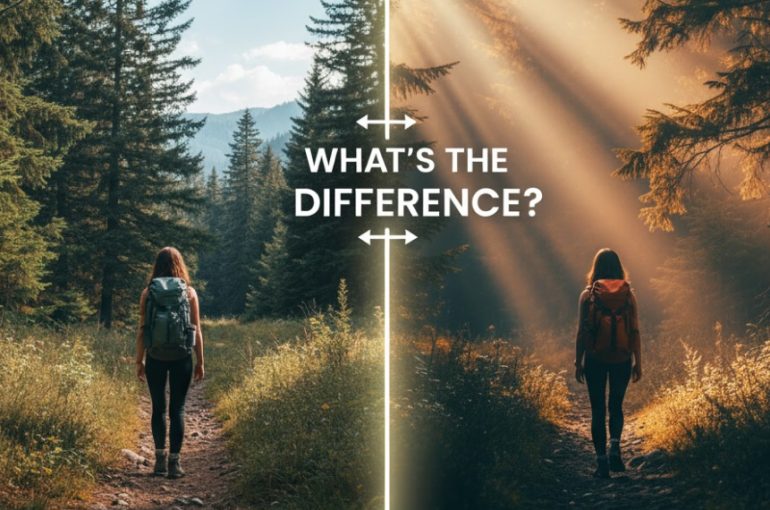
Color Grading vs Color Correction – What’s the Difference?

Color Grading vs Color Correction – What’s the Difference?

If you’re getting into video or photo editing, you’ve likely heard the terms color correction and color grading tossed around. While they sound similar, each serves a distinct purpose and knowing the difference can make your work stand out. Let’s break down what sets these techniques apart.

What is Color Correction?

Color correction is the technical first step in post-production. Its goal is to fix color problems so your footage looks natural and consistent, almost as the human eye would see it in real life. For example, adjusting the white balance to remove unwanted color tints, matching exposure across different shots or fixing a too-green skin tone so it appears realistic.

Typical color correction tasks include:

  1. Balancing white levels and exposure
  2. Adjusting saturation for natural colors
  3. Fixing irregular hues so scenes feel cohesive

This step gives you a clean “base” so the project looks accurate and professional before adding any artistic flair.

What is Color Grading?

 Color grading can:

  1. Tint shadows and highlights for drama
  2. Enhance specific colors for emotion (warmer skin tones, cooler backgrounds)
  3. Create a unique visual style that supports storytelling

Think of color grading like using Instagram filters, but with much more control and intention. From blockbuster films to YouTube vlogs, color grading helps your content stand out and express your creative intent.

Key Differences Summed Up

FeatureColor CorrectionColor Correction
PurposeFix technical issuesAdd artistic style and mood
FocusAccuracyEmotion & creativity
OrderFirstSecond

Quick analogy: Color correction is like leveling a cake and making sure it’s baked right.

Why Both Matter

Using both processes ensures your visuals look polished and impactful.

  • Color Correction : gives you technical accuracy
  • Color Grading : gives you Creative expression

Skipping either step can leave your work looking flat or jarring.

Quick Analogy

Color correction is like leveling a cake and making sure it’s baked right. Color grading is the icing and sprinkles. 

Bring Your Videos to Life with Creative Splash

Understanding color grading and color correction is just the first step. To truly make your videos stand outyou need expert execution.

At Creative Splash, we are Pune’s top animation and video production studio, crafting visually stunning content that tells your story and captivates your audience.

Get in Touch with Our Team → Whether it’s corporate videos, animated explainer videos, or cinematic content, we handle everything from concept to final polish, including precise color grading and correction

Call us today +91 8554982761 or visit our studio in Pune to discuss your next project — let’s turn your vision into a masterpiece.

“Your story deserves to look as good as it feels — we make it happen.”

Mid-2025 Animation Trends Update: How Are the Top 5 Trends Shaping the Industry So Far?

Back in January 2025, we shared our insights on the Top 5 Animation Trends Shaping 2025 and how these exciting developments would transform the animation world throughout the year. Now that we’re over halfway through the year, it’s time to take a fresh look, are these trends unfolding as expected? Let’s dive into what’s been happening and what animation professionals and fans can expect in the coming months.

1. Real-Time Rendering: Changing How We Create and Experience Animation

Real-time rendering was set to revolutionize animation by offering faster workflows and more immersive visuals. And it certainly hasn’t disappointed me! Studios like Disney and Pixar are increasingly using real-time rendering engines like Unreal Engine and Unity to craft rich, interactive environments that respond instantly to creative changes.

In gaming, we’re seeing even more lifelike characters and dynamic worlds thanks to this technology. Virtual events have also become visually stunning and interactive, with animated avatars making online meetings and concerts more engaging. Real-time rendering is truly accelerating animation production and transforming audience experiences across industries.

2. Artificial Intelligence: Your New Creative Partner in Animation

AI tools continue to make huge waves in animation. From automating tedious tasks like in-betweening and lip-syncing to optimizing animation quality, AI is freeing artists to focus on the creative side of storytelling. Many studios now use AI-powered software to speed up production without sacrificing quality.

Plus, AI-generated animations are becoming more personalized and adaptive, paving the way for unique storytelling experiences that evolve based on audience reactions.

Smaller studios and independent animators are also embracing AI, making high-quality animation production more accessible and affordable.

3. Sustainable Animation: Creating with the Planet in Mind

Sustainability in animation isn’t just a buzzword, it’s a growing movement in the industry. More studios are switching to renewable energy, cutting down on physical materials and adopting fully digital workflows to reduce their carbon footprint.

At the same time, animation is playing an important role in raising awareness about environmental issues. Films and series tackling climate change, conservation and sustainability themes are resonating with audiences worldwide. Industry groups like the Sustainable Animation Alliance are boosting these efforts by encouraging eco-friendly production practices across the board.

4. Evolving Animation Styles: Blending Tradition with Innovation

One of the most exciting things about animation today is how styles and techniques keep evolving. Hybrid animation styles that mix hand-drawn art with cutting-edge CGI are captivating viewers with unique, visually rich storytelling.

Experimental approaches continue to push artistic boundaries, supported by new tech like AI tools and 3D printing. And as the world becomes more connected, cultural exchange is inspiring animation that reflects diverse perspectives and artistic traditions, adding depth and authenticity to stories.

5. Immersive Storytelling with VR and AR: Animation Beyond the Screen

Virtual Reality (VR) and Augmented Reality (AR) are opening new doors for animators and audiences alike, creating fully immersive storytelling experiences that go beyond traditional screens.

While still growing, VR and AR animation projects are gaining traction in entertainment, education and even therapy. As VR/AR hardware becomes more accessible and content more engaging, these technologies are set to redefine how people experience animations, offering truly interactive and unforgettable adventures.

What’s Next for Animation in 2025?

Our mid-year check-in shows that the animation industry is riding strong on the back of these trends, with plenty of exciting innovations still to come. Whether you’re a professional animator, a studio leader or simply a fan of animated stories, staying on top of these trends will keep you ahead of the curve.

For a deeper dive into the origins of these trends, check out our full blog on the Top 5 Animation Trends Shaping 2025

We’d love to hear your thoughts—how have you seen these trends impact your work or favorite animations this year?

Drop a comment below and join the conversation!

The Rise of Experimental Animation: Breaking Traditional Boundaries

Introduction

Animation has come a long way — from the hand-drawn magic of early Disney classics to today’s hyper-real CGI spectacles. But a new creative wave is emerging, and it’s challenging everything we thought we knew about animation. Say hello to experimental animation — where imagination runs wild and boundaries are meant to be broken.

So, what is experimental animation, and why is it reshaping the creative landscape? In this blog, we’ll explore how unconventional animation is disrupting the industry, dive into new types of animation styles, and reveal how these modern animation techniques are pushing storytelling into uncharted territory.

Whether you’re curious about creative animation ideas for YouTube, searching for modern alternatives to traditional animation, or ready to experiment yourself, this guide is your starting point.

What Is Experimental Animation?

Experimental animation is defined not by its tools, but by its mindset. It defies convention, prioritizes emotion over narrative, and explores motion as art — not just entertainment.

Unlike traditional animation, which follows a script and structure, experimental works are often abstract, non-linear, and emotionally driven. They invite interpretation, question form, and reject the idea that animation must follow a beginning, middle, and end.

A Quick History

The roots of this bold art form go back to the 1920s. Pioneers like Oskar Fischinger and Len Lye created abstract, music-synced animations. Norman McLaren scratched designs directly onto film, while Jan Švankmajer introduced eerie surrealism through stop motion.

Today, with creative software and platforms like YouTube and Vimeo, experimental animators are thriving — unfiltered and unrestrained.

Why Experimental Animation Is Thriving Today

So why is experimental animation gaining traction now?

Fresh Storytelling

Audiences want more than predictable plots — they want experiences. Experimental animation delivers visuals that evoke curiosity, awe, and emotional intensity. This marks a major shift in the evolution of animation storytelling.

Creative Independence

Independent artists aren’t tied to studio expectations. They can explore personal, political, or abstract themes without compromise — turning animation into a raw form of self-expression.

Accessible Platforms

Platforms like Behance, TikTok, and Instagram have made unconventional animation styles more visible than ever. These bite-sized, visually striking animations are perfect for capturing attention in a scroll-heavy world.

Types of Experimental Animation Styles

Let’s break down some of the most exciting types of animation styles dominating the experimental scene today.

Stop Motion with a Twist

Forget clay. Think sand, broken glass, leaves, or even discarded electronics. These tactile materials bring gritty texture and an organic feel to every frame.

Rotoscoping Reimagined

Once used to trace real-life motion, rotoscoping now gets twisted — morphing human movements into surreal visuals that bend time and space.

Generative & Code-Based Animation

Using tools like TouchDesigner and Processing, animators write code that responds to audio, data, or user interaction — resulting in ever-evolving digital art.

Abstract Motion Design

No story. No characters. Just emotion, rhythm, and pure movement — crafted with shape, color, and sound to create hypnotic visual poetry.

Mixed Media Experiments

Picture hand-drawn textures layered over 3D models, combined with AI-generated elements and live footage. The result? A sensory explosion that defies categorization.

These modern animation techniques unlock limitless creative potential and deliver visuals that surprise, challenge, and inspire.

How Experimental Animation Is Shaping the Industry

This isn’t just a creative trend — it’s an industry shift.

Short Films & Festivals

Animation festivals like AnnecyOttawa, and Animafest Zagreb now highlight experimental work as a category of its own. It’s where fresh voices debut and bold ideas thrive.

Music & Visual Albums

Experimental animation is the go-to style for musicians who want to break visual norms. Artists like Flying LotusRadiohead, and FKA Twigs use it to elevate their sound with mesmerizing visuals.

Ads with an Edge

Brands looking to stand out are ditching glossy perfection for gritty, eye-catching unconventional animation that captures emotion and authenticity.

Social Media & YouTube

Scroll-stopping animation is everywhere — from micro-loops on TikTok to short films on YouTube. Creators are building cult followings through animated experiments that break format and genre.

Beyond 2D and 3D: New Animation Frontiers

Today’s artists are pushing beyond the boundaries of traditional 2D and 3D animation — into virtual, generative, and immersive experiences.

Virtual & Augmented Reality (VR/AR)

Imagine stepping inside an animation. With VR, you don’t just watch — you experience. AR overlays animations onto the real world, creating interactive storytelling like never before.

AI-Assisted Animation

Tools like Runway ML and Kaiber are revolutionizing workflows. Creators can now generate animations from text prompts, manipulate footage with AI, and blend styles with stunning speed.

Projection Mapping

Experimental artists project animations onto buildings, sculptures, and other physical surfaces — turning public spaces into immersive storytelling canvases.

This is the future of animation: beyond flat screens, beyond formats — into spaces where animation styles beyond 2D and 3D fully come alive.

Best Examples of Experimental Animation to Explore

Want to dive deeper? Here are some iconic works and creators redefining what animation can be:

 Dimensions of Dialogue ”
by Jan Švankmajer – a disturbing yet brilliant stop-motion classic.

 World of Tomorrow ”
by Don Hertzfeldt – minimal design, maximum emotion.

 Ugly”
by Nikita Diakur – chaotic, rule-breaking 3D absurdity.

The External World ”
by David OReilly – part satire, part nightmare, all genius.

Online creators like Eliott ErecksonKris Merc, and Andymation also post stunning experimental work regularly. Their bold ideas offer some of the best examples of experimental animation today.

How to Create Your Own Experimental Animation

Ready to make your own mark? Here’s how to get started.

Tools for Creators

  • Procreate – draw frame-by-frame on your iPad.
  • Blender – powerful and free for 3D and experimental work.
  • RoughAnimator – perfect for raw hand-drawn animations.
  • TouchDesigner – for generative visuals and live interaction.
  • Runway ML – AI-enhanced creativity at your fingertips.

Creative Jumpstarts

  • Animate using only circles and squares — no characters.
  • Use ambient sounds or spoken words to shape motion.
  • Combine found objects, paper, and digital textures.
  • Animate a memory, but distort the details.

Pro Tips

  • Focus on emotion, not perfection.
  • Play with timing — make pauses as powerful as action.
  • Let mistakes guide the process — they often lead to breakthroughs.

If you’re wondering how to create an experimental animation, start here, and let your curiosity lead the way.

The Future Is Experimental

We’re at a turning point. The tools have changed, but more importantly, the mindset has changed.

Animation is no longer about following rules — it’s about creating your own. As AI, VR, AR, and new platforms evolve, so do the ways we tell stories. And experimental animation is leading that evolution.

It’s bold. It’s emotional. It’s you, unfiltered.

Conclusion: Break the Mold. Animate Differently.

If traditional animation feels too clean, too expected, or too polished, it’s time to break the mold. Experimental animation offers the freedom to explore, express, and invent — no permission needed.

At Creative Splash, we celebrate brave ideas. We build animations that go beyond trends — telling stories through raw texture, surreal visuals, and motion that moves people.

Let’s Animate the Unthinkable

Got an idea that doesn’t fit the norm? We’re here for it.
Get in touch with Creative Splash — let’s turn your boldest vision into a visual experience the world has never seen.

AI-Driven Animation and Design: Transforming Creativity with Technology

Introduction

The integration of artificial intelligence (AI) in creative industries is reshaping animation and design, making processes fastersmarter, and more intuitive. From automating tedious tasks to enhancing visual precision, AI is pushing creative boundaries like never before. Whether you’re a designer, animator, or business owner, understanding AI’s potential in creative workflows is crucial for staying ahead in today’s digital landscape.

In this blog, we’ll explore AI’s impact on animation and design, its benefits, challenges, and how you can harness its power effectively.

The Role of AI in Animation

AI is revolutionizing animation by introducing tools that automate repetitive tasks, improve accuracy, and enable faster content creation. Key advancements include:

1. Automated Motion Tracking

AI-driven tools like Runway and DeepMotion excel at tracking motion in video content. These tools use machine learning to analyze footage and automatically apply motion-tracking data, reducing the need for manual frame-by-frame adjustments. For example, The Mandalorian utilized AI-assisted motion tracking to enhance virtual production techniques, ensuring seamless integration between real and digital elements.

2. AI-Generated Facial Animation

AI tools like Ziva Dynamics and RADiCAL enable animators to generate realistic facial expressions with minimal manual input. This technology played a significant role in The Lion King (2019), where lifelike animal expressions were created using AI’s facial mapping capabilities.

3. Scene Enhancement and VFX

AI-based tools like Topaz Video Enhance AI are widely used for enhancing older footage, refining textures, and improving video quality. For instance, The Beatles: Get Back documentary utilized AI tools to restore 1960s footage with remarkable clarity.

AI in Graphic Design

AI-driven design tools empower designers by offering smart automation and creative enhancements. Popular AI applications include:

1. AI-Powered Logo Design

AI tools like Looka and Canva analyze user inputs to generate multiple logo design concepts in minutes. Startups frequently use these platforms to develop cost-effective yet professional branding.

2. Smart Layout and Composition Tools

AI tools like Adobe Sensei and Figma’s Auto Layout simplify design tasks such as text alignment, spacing, and grid adjustments. These tools have become essential for efficient web design and UI/UX development.

3. AI-Enhanced Image Editing

AI features in tools like Photoshop simplify complex editing tasks such as object removal, content-aware fills, and image upscaling. For example, Adobe’s neural filters use AI to refine portraits by adjusting facial features or enhancing lighting conditions.

Click here to read about the Top 5 Animation Trends Shaping 2025.

AI’s Impact on Creative Workflows

AI’s impact on creative processes is profound, improving both speed and precision. By automating time-consuming tasks, AI allows creatives to focus on storytelling, design innovation, and enhancing visual appeal.

How AI Streamlines Creative Workflows:

  • Automated Rotoscoping

Tools like Runway can automatically isolate objects from footage, significantly accelerating video editing.

  • Smart Asset Tagging

AI systems in Adobe Bridge and other asset managers categorize files intelligently, saving designers hours of manual organization.

  • Enhanced Color Grading

AI algorithms analyze footage and automatically balance color, ensuring consistency across scenes.

  • Voice-to-Animation Mapping

AI tools like Noise-O-Matic create automated lip-syncing by analyzing voice patterns and aligning them with character animations.

  • AI-Powered Storyboarding

Tools such as Storyboarder use AI to generate dynamic storyboard layouts, improving pre-production efficiency.

  • Automated Subtitle Generation

AI tools like Rev and Descript offer precise subtitle creation, enhancing accessibility and viewer engagement.

AI’s automation not only accelerates processes but also reduces repetitive manual work, allowing creatives to explore new ideas without sacrificing production quality.

Case Study: AI Enhancing Animation Workflows

Case Study: AI in Film Production – Avatar: The Way of Water

In Avatar: The Way of Water, AI-driven animation played a pivotal role in creating realistic underwater movements and lifelike facial expressions. The production team utilized AI motion tracking to capture detailed muscle movements, ensuring each character’s motion mimicked real-life behaviors.

Key Takeaways:

  • AI-enhanced motion tracking improved underwater physics realism.
  • Automated character rigging reduced animation timelines significantly.
  • Enhanced visual fidelity resulted in a stunning cinematic experience that captivated audiences worldwide.

Challenges and Limitations

Despite its benefits, AI in design and animation presents challenges:

  • Creativity Limits : While AI excels at automation, achieving emotional depth and artistic nuance still relies on human creativity.
  • Learning Curve : AI tools often require training & practice to master effectively.
  • Ethics and Copyright : The rise of AI-generated content raises concerns about originality and ownership.

Balancing AI automation with human creativity ensures optimal results for impactful design.

The Future of AI in Animation and Design

AI’s rapid evolution presents exciting opportunities for creatives. Key trends to watch include:

  • Generative AI for Dynamic Content

AI models like DALL·E and Stable Diffusion are transforming visual content creation by generating stunning images and animations from text prompts.

  • AI-Powered Virtual Production

AI-driven virtual sets are enabling filmmakers to produce realistic scenes with minimal physical resources.

  • 3D Design Automation

AI tools are advancing 3D modeling by auto-generating textures, shapes, and animations for enhanced realism.

  • AI-Generated Music Scoring

AI tools like Amper Music and AIVA are automating background scoring for videos, streamlining content creation.

  • Real-Time AI-Driven Editing

Emerging tools are enabling live AI-driven editing, where content can be adjusted on the fly based on user interactions or preferences.

With these advancements, creatives can expect improved efficiency, faster production cycles, and expanded creative possibilities.

Read this blog to learn more about the future of AI in Video Production.

Conclusion

AI is transforming animation and design, offering new ways to enhance creativity, improve efficiency, and elevate visual storytelling. By embracing AI tools, creatives can streamline their processes while achieving high-quality results.

Are you ready to unlock AI’s potential in your creative projects? Stay updated with the latest trends, tools, and insights to keep your visual content innovative and impactful.

The Future Unleashed: The Role of AI in Video Production

Step into the future of video production, where technology and creativity converge in unprecedented ways. At Creative Splash, we’re at the forefront of innovation, and today, we’re unravelling the transformative influence of Artificial Intelligence (AI) in reshaping the landscape of video creation. Join us as we explore the dynamic role AI plays in revolutionizing the art and science of video production.

  1. Automated Editing: Redefining Efficiency Witness the evolution of the editing room, where AI algorithms are streamlining the post-production process. Dive into how automated editing tools analyse footage, identify key moments, and seamlessly piece together a visual narrative. Explore how this not only enhances efficiency but also provides editors with more time for creative refinement.
  2. Personalization at Scale: AI is unlocking the potential for personalized video content on an unprecedented scale. Delve into how algorithms analyse user data to tailor video content based on individual preferences. From personalized product recommendations to dynamically generated content, discover how AI is reshaping the way brands connect with their diverse audience.
  3. Enhancing Visual Effects with AI: Experience the fusion of AI and visual effects, elevating the cinematic experience to new heights. Explore how AI-driven tools contribute to realistic CGI, facial recognition, and scene analysis. Uncover the ways in which AI is not just a tool for efficiency but a catalyst for pushing the boundaries of visual storytelling.
  4. Predictive Analytics for Audience Engagement: AI isn’t just about post-production; it’s also a guide for pre-production decisions. Discover how predictive analytics powered by AI can analyse trends, audience behaviour, and social media data to inform content creation strategies. Learn how this data-driven approach helps in crafting videos that resonate with the target audience.
  5. Voice and Speech Recognition: The Dialogue Revolution: Uncover the impact of AI-powered voice and speech recognition on video production. Explore how these technologies enable automated transcription, language translation, and even voice-controlled editing. Dive into the possibilities of breaking language barriers and creating more accessible and engaging content.
  6. Streamlining Workflow and Efficiency: Explore how AI is acting as a virtual assistant for video production teams. From organizing files to automating repetitive tasks, AI is enhancing workflow efficiency. Learn how Creative Splash integrates AI tools to create a seamless production process, allowing our team to focus on the creative aspects of video production.
  7. Ethical Considerations and Creative Collaboration: As AI becomes more integrated into video production, it brings forth ethical considerations. Delve into the importance of balancing automation with human creativity. Learn how Creative Splash approaches ethical considerations, emphasizing the collaboration between AI tools and human ingenuity to maintain the authenticity of creative expression.

Conclusion: The infusion of AI into video production is not just a technological advancement; it’s a revolution. At Creative Splash, we embrace the symbiotic relationship between AI and creativity, harnessing the power of technology to elevate our storytelling capabilities. As we ride the wave of innovation, we invite you to explore the limitless possibilities that AI unlocks in the world of video production. The future is here, and it’s intelligent, creative, and boundless. Embrace it with Creative Splash!